
Eating Less Salt Without Losing the Flavour
Vietnamese people eat nearly twice as much salt as the WHO recommends. Cutting back does not mean bland food — as long as you know where the salt is really hiding.
But · 5 min read · Sep 5, 2026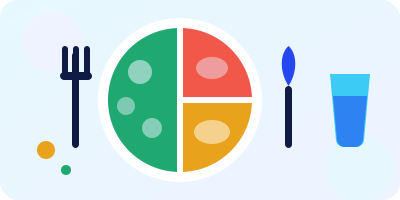
The World Health Organization recommends that each adult use less than 5 g of salt a day, roughly one level teaspoon. Surveys in Vietnam show that actual intake is nearly double that. Eating salty food over a long period makes the body hold on to water, increases blood volume and pushes blood pressure up.
Where the salt hides
Here is what surprises most people: most of the salt does not come from the salt shaker on the table, but from seasonings and processed foods.
- Fish sauce, soy sauce, shrimp paste, chilli sauce
- Seasoning powder, bouillon powder, soup cubes, instant noodle flavour packets
- Pickled vegetables, pickled eggplant, kimchi, bacon, sausage, Vietnamese pork rolls
- Bread, cheese, snacks, salted roasted nuts
A single pack of instant noodles can contain 4–5 g of salt — nearly the whole daily allowance.
Less salt, still full of flavour
Your taste buds do adapt, but they need time. Cut back gradually rather than all at once — after about a month, your old dishes will taste far too salty.
- Replace salt with sour and aromatic flavours: lime, vinegar, tamarind, star fruit, lemongrass, ginger, garlic, pepper, fresh herbs
- Season at the end of cooking, when the salty taste stands out more so you need less seasoning
- Drop the habit of a separate dipping bowl for each person; share one small bowl
- Drink less of the broth in pho, noodle soups and canh — most of the salt is in the broth
- Read labels and compare sodium content between similar products. Note that 1 g of sodium is equivalent to about 2.5 g of salt
What a balanced meal looks like
Picture your plate divided into three parts: half vegetables, one quarter protein (fish, lean meat, tofu, eggs), and the last quarter starch — favouring brown rice, sweet potato or corn over too much white rice.
Eat more potassium-rich foods such as bananas, sweet potatoes, leafy greens and beans — potassium helps balance out sodium's effect on blood pressure.
Worth remembering
Cutting salt is a job for the whole kitchen, not just the person who is unwell. When the whole family gradually eats less salt, the person who needs to cut back can actually keep it up.
This information is for general reference only and does not replace advice from your doctor.