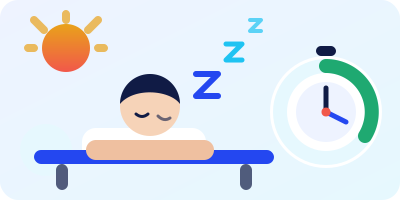
Light Sets Your Body Clock
Your body has a clock inside it, and light is the strongest thing that turns the hands. Understanding this helps you feel sleepy at the right time without having to try.
But · 5 min read · Sep 5, 2026
Inside your body there is a clock that runs through roughly one full turn each day. It decides when you are alert and when you feel sleepy, and your body temperature and some hormones rise and fall along with it. This is what people call the circadian rhythm.
This clock does not keep accurate time on its own. It needs to be reset every day, and the strongest resetting signal is the light that reaches your eyes.
What light tells your body
When your eyes take in plenty of light, the brain understands that it is daytime and stops releasing melatonin — the hormone that signals it is time to rest. Only as the evening darkens is melatonin released and the feeling of sleepiness appears.
Sunlight outdoors is many times brighter than indoor lighting, even on an overcast day. So a morning spent sitting in a closed room is hardly enough to tell your body that the day has begun.
A few habits that are easy to keep
- Go outside within the first hour or so after waking, for about 15–20 minutes, without sunglasses if the sun is still gentle
- During the day open the curtains, sit near a window, and take the chance to walk outdoors
- In the evening turn the lights down and switch to warm yellow light
- Keep your phone and tablet away from the bed; a screen brings light very close to your eyes
- Keep your wake-up time fixed, weekends included, because your wake-up time anchors the rhythm of the whole day
When the rhythm stays out of step
Being out of step is common after a long flight, when working shifts, or simply after staying up late several nights in a row and then sleeping in at the weekend. The typical experience is lying awake at night, waking up with a heavy head, and feeling tired and unable to concentrate during the day.
In most cases things settle again once your routine becomes regular and you get morning sunlight.
When to see a doctor
See a doctor if trouble sleeping or daytime sleepiness lasts for several weeks despite a regular routine; if you fall asleep while driving or working; or if it comes with lasting sadness or loss of interest. People who have worked night shifts for many years should also raise it with their doctor at routine health checks.
Do not buy sleeping pills or supplements on your own to adjust your sleep. This information is for general reference only and does not replace advice from your doctor.